Is Reynisfjara Black-Sand Beach Safe? (And Why You Can't Swim)
The black sand is not the hazard at Reynisfjara. The ocean is, and it gives almost no warning.
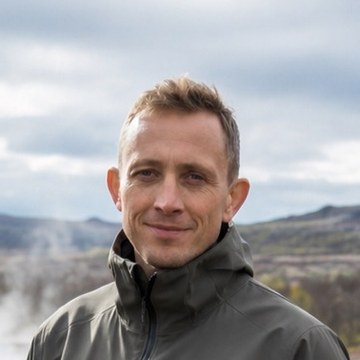 Written with Björn Einarsson, Iceland South Coast tour guide and local specialist
Short answer
Reynisfjara is safe to walk on if you keep well back from the water. The surf is not safe. This beach is known for sudden sneaker waves that rush far higher up the sand than the waves before them, and people have been swept in and drowned. Never turn your back on the ocean, never climb the sea stacks or basalt columns, do not swim, keep children close, and follow your guide's line on the sand.
Before you read on
A guide who reads this beach is one of the practical safety measures below; the small-group day tour the site features is bookable from the area at the end of this guide. See the booking options ↓
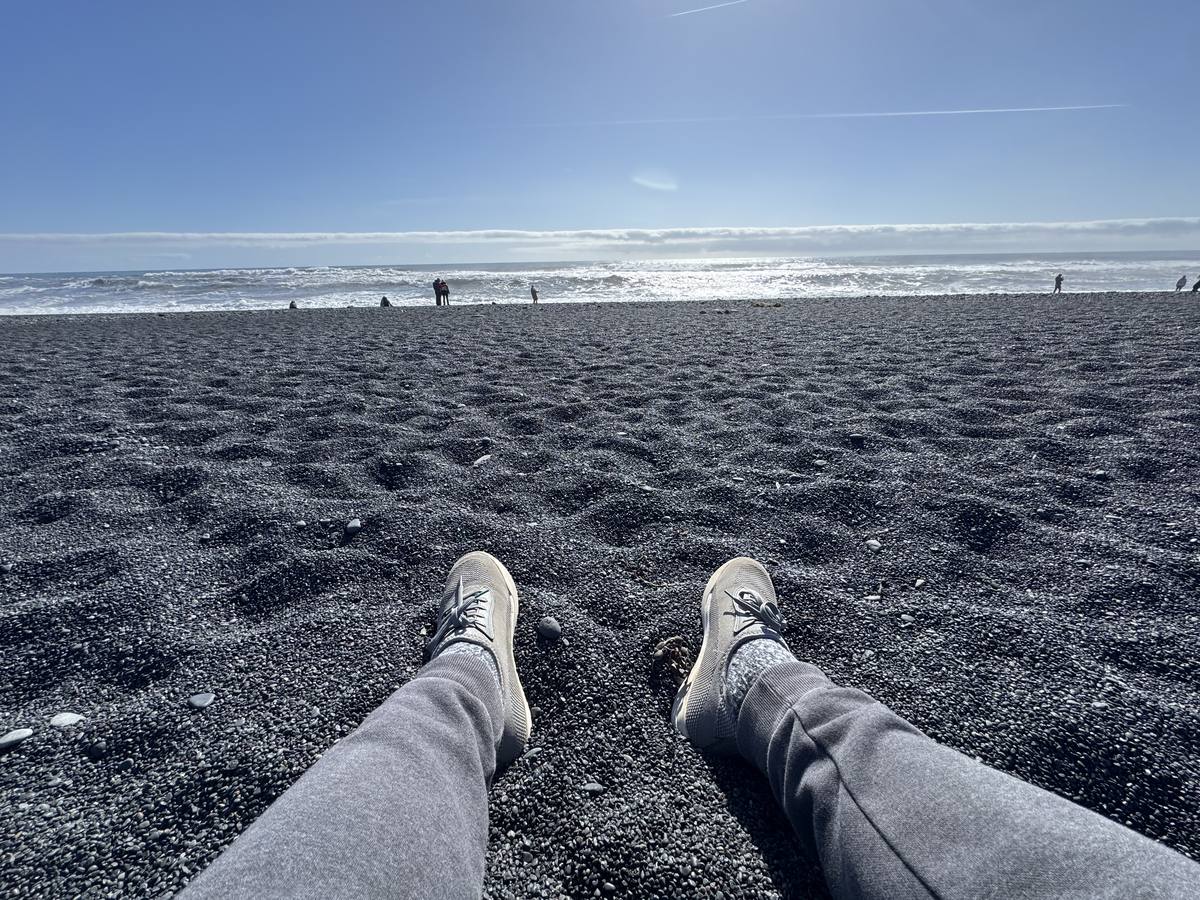
Reynisfjara does not look dangerous. On a calm morning the black sand stretches out flat and glossy, the Reynisdrangar sea stacks sit offshore like something staged, and people wander down toward the waterline for a photo. That flat, quiet look is the trap. The beach itself is fine to walk. The Atlantic that meets it is one of the most dangerous stretches of shoreline in Iceland, and the danger arrives without a build-up.
So the honest answer is a split one. Yes, you can visit Reynisfjara safely, and it is one of the most striking stops on any South Coast day trip. No, you cannot swim, and you should treat the water with real caution rather than the casual respect a normal beach earns.
What is a sneaker wave, and why does Reynisfjara get them?
A sneaker wave is a wave that runs much farther up the beach than the ones before it, often with no visible warning. You watch the sea for a minute, the waves all break at roughly the same line, you step forward onto the wet sand for a better angle, and then one wave arrives that reaches thirty or forty feet higher than the rest. By the time you see it, it is already at your knees, and the backwash pulls hard toward deep, cold water.
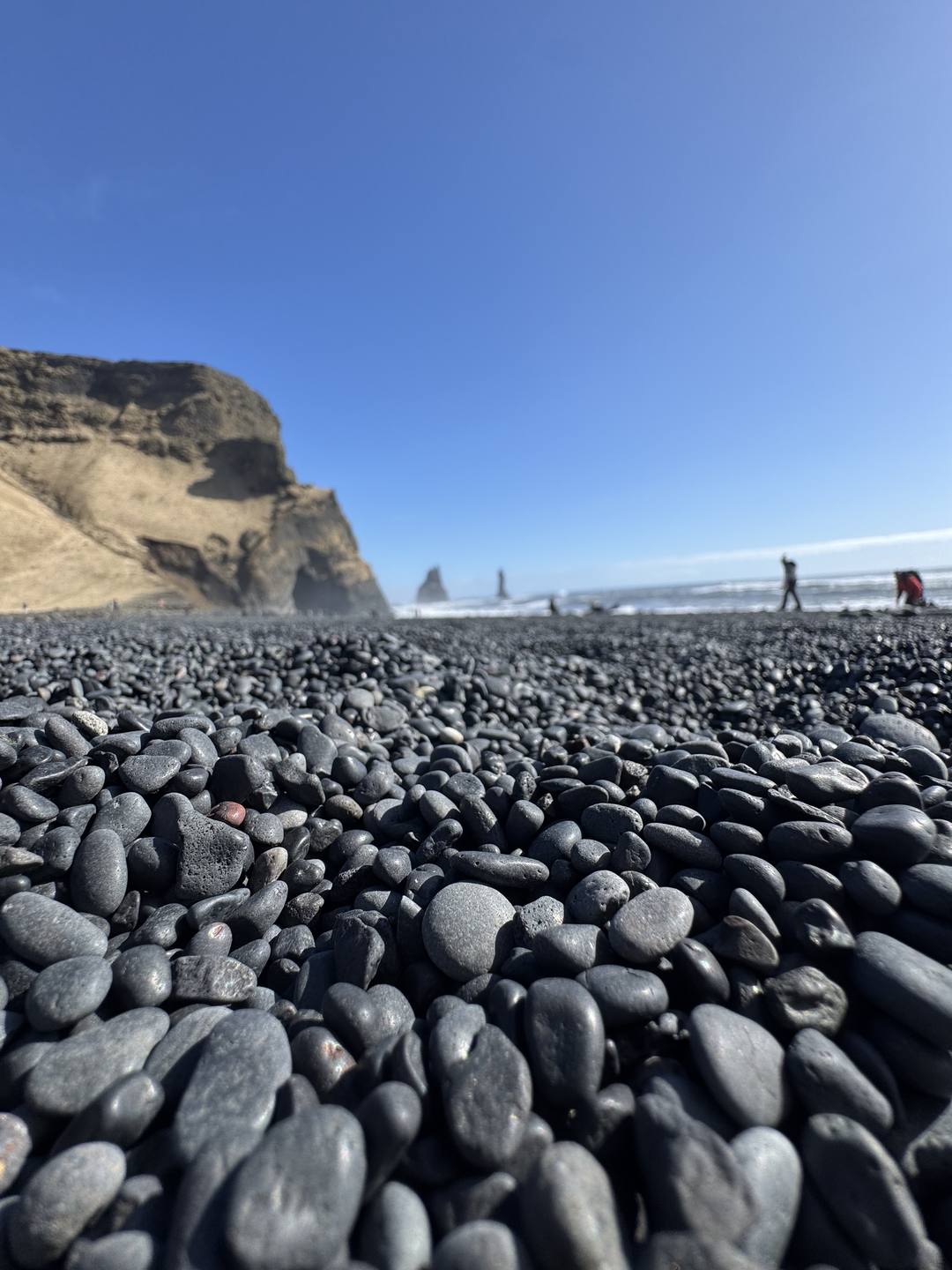
Two things make Reynisfjara especially prone to this. The first is fetch: the open North Atlantic runs uninterrupted for a very long distance before it reaches this coast, so the swell arrives with a lot of energy and long wave periods. The second is the shape of the beach. It shelves steeply, so waves do not spend themselves gradually across a shallow flat. They surge up the slope and then drag back down it fast. Cold water and a strong pull are a bad combination even for a strong swimmer, and nobody is dressed to swim here.
The danger is real, told straight
People have been swept off this beach and drowned. That is not a scare line invented to sell a tour, it is why Iceland's official travel-safety service, safetravel.is, singles Reynisfjara out and why warning infrastructure was added on the sand. I am not going to print a death count, because a precise running number is not something I can stand behind, and inflating it would be its own kind of dishonesty. The point that matters is simpler: this has happened to ordinary visitors on ordinary-looking days, and it can happen fast.
The warning-flag system
Iceland installed a warning system at Reynisfjara that grades the day's danger, similar in spirit to a beach flag. When you arrive, look for the sign and the light. Green means the conditions are at their least dangerous, which still is not an invitation to walk into the surf. Yellow and red mean the sea is behaving badly and you keep a wide margin. Read the sign before you read the view. The system exists because the sea here does not telegraph its worst moods, and a calm-looking surface can sit under a red rating.
The rules that keep you safe
None of this is complicated. It is a short list, and following it removes almost all of the risk.
- Stay well back from the wet sand line. The dark, shining band of sand shows how far water has recently reached, so treat it as the edge and stand behind it.
- Watch the sea the entire time. Never turn your back on the ocean for a photo, and never walk backward toward the water to fit the stacks in frame.
- Keep children close and hold their hands. A sneaker wave that reaches an adult's knees can take a small child off their feet.
- Do not climb the basalt columns or the Reynisdrangar sea stacks. The columns get slick and people fall, and the stacks put you closer to the water than you ever want to be.
- Do not swim, and do not wade. There is no safe depth here.
If you would rather have someone reading the water for you, book the small-group Reynisfjara day trip on Viator so a guide sets your line on the sand.
Why a guided visit helps here
The single biggest safety factor at Reynisfjara is knowing the sea state on the day you are standing there, and that is exactly what a guide brings. On a good small-group South Coast tour the driver-guide has seen this beach in every mood, checks the swell and the flag, tells the group how far back to stand, and can shorten or reshuffle the stop if the water is angry. That is a real, practical benefit, not a soft one. A guide who knows the coast can also swing the day around weather so you still get the beach at its best rather than its worst.
Want that judgment on your beach day? Pick a date from the scheduled departures
Scheduled departure dates from the operator's Viator calendar. Availability for your date and the final price are confirmed on the listing.
Check Live Availability & Prices →The departure calendar could not load just now. Check dates and prices directly on the listing:
Check Dates & Prices on Viator →The rest of the stop rewards you for staying sensible. From a safe distance the basalt columns, the cave, and the offshore stacks are extraordinary, and in summer you may spot puffins on the cliffs. Dress for the wind and spray, so read what to wear on the South Coast first, and for a fuller sense of the place, here is what Reynisfjara is actually like to visit.
How does the Reynisfjara warning-light system work?
Reynisfjara's warning lights, installed in 2022, grade the day's sea danger in three colours. Green marks the least dangerous conditions, yellow means the surf is behaving unpredictably, and red means stay well up the beach. The light reads swell and wave data, not how calm the surface happens to look when you walk down.
Think of it as a traffic light for the ocean rather than the weather. It can read red under a blue sky and a light breeze, because the hazard is the swell rolling in from far out in the Atlantic, not the wind you feel on the sand. That mismatch is exactly what catches people. They see a flat, glassy sea, decide the warnings are overcautious, and step forward. The light is telling you something the surface is hiding.
| Light | What it means | What to do |
|---|---|---|
| Green | Conditions are at their least dangerous for the day | Still keep back from the wet sand and keep watching the sea. Green is not permission to approach the surf. |
| Yellow | The sea is unpredictable and sneaker waves are likely | Stand well up the dry sand, hold children's hands, and keep every photo pointed away from the water's edge. |
| Red | Dangerous surf. Sneaker waves can reach far up the beach | Stay high on the beach near the columns, do not walk toward the waterline at all, and treat the whole lower sand as off limits. |
Two habits make the system work for you. First, find the sign and read the light before you look at the view, because once the stacks and the cave have your attention the sea stops being the thing you are watching. Second, remember the colour applies to the whole time you are there. Swell comes in sets, and a quiet two minutes under a red light is not the light being wrong, it is the gap before the next big set. On a guided South Coast day your driver-guide will have checked the rating before the minibus even parks, and will point out the line on the sand that matches it.
Where else on the South Coast catches people out?
Reynisfjara gets the headlines, but it is not the only stop where the ground or the water turns on you. Dyrhólaey's cliff edges, the melting front of Sólheimajökull, and the slick basalt columns each hurt people in a different way. The rule at all of them is the same: keep a wide margin and do not climb what looks climbable.
The South Coast packs several very different hazards into one day, and none of them are obvious until you are close. The table below is the short version I would give anyone driving the route themselves rather than riding with a guide who already knows these spots.
| Place | Hazard | Rule |
|---|---|---|
| Reynisfjara sand | Sneaker waves surging up the steep beach | Stand behind the wet-sand line, never turn your back on the sea |
| Basalt columns (Gardar) | Slick, angled steps that people climb for photos | Stay low, do not climb up to pose. A fall here lands you toward the water |
| Dyrhólaey headland | Unfenced cliff edges and strong gusts near the arch | Keep back from the lip, mind children, watch footing in wind |
| Sólheimajökull glacier front | Thin ice, hidden crevasses, unstable melt edges | Never walk onto the ice alone. Go only with a roped, equipped guide |
| Waterfall steps (Skógafoss, Seljalandsfoss) | Wet, icy stone and spray-slicked paths | Take the rail, slow down, expect the treads to be slippery |
The glacier one surprises people most. Sólheimajökull looks like solid, walkable ice from the car park, but the surface hides crevasses and the melt front is unstable, which is why it is only sensible to step onto it on a proper hike with crampons and a guide. If a glacier walk is what you are after, do it as its own booked activity rather than an improvised scramble, and you can check the tour and its dates here. For a wider view of how the stops fit together and which are riskier, the compare page and the full-day tour breakdown both help.
The safety briefing Björn gives every group at Reynisfjara
Before anyone leaves the minibus at Reynisfjara, Björn gives the same ninety-second talk. He names the wet-sand line, points at the warning light, and tells the group the one rule that covers everything else: never turn your back on the sea. In eight years guiding this coast he has watched that single habit keep people safe.
Björn has guided Iceland's South Coast since 2022 and worked as a professional guide since 2020, and by his own count he has walked more than a thousand travellers down onto this beach. He runs the briefing the same way every time, because the days it matters most are the days that look the calmest. He parks, gathers the group before they scatter for photos, and points at three things: the light on the sign, the dark wet band on the sand, and the sea itself.
His line to every group is blunt on purpose. Walk down, enjoy it, and keep the ocean in front of you at all times. The moment you want a photo with the stacks behind you, he says, you are about to turn your back on the exact thing that hurts people, so hand the camera to someone facing the water instead. He tells parents to hold small hands the whole time, because a wave that only reaches an adult's shins will take a child off their feet.
The mistake he sees most is not recklessness, it is drift. People start at a safe distance, the sea stays quiet, and over ten minutes they edge forward without noticing, chasing a slightly better angle. So he sets a physical marker, usually a line in the sand near the columns, and asks the group to treat it as a fence. He also keeps the stop flexible. If the light is red and the swell is up, he shortens the beach time and spends longer at the columns and the cave, which are the safe part of the stop anyway. That judgment, reading the day and reshaping it, is the part a solo visitor simply does not have, and it is the strongest argument for seeing Reynisfjara with someone who knows it.
Why can't you swim at Reynisfjara?
The water is dangerous, not inviting. Sneaker waves surge far up the steeply shelving sand without warning, the backwash pulls hard toward deep water, and the North Atlantic here is very cold. There is no safe depth and no lifeguard. Even wading past the waterline is a risk, so the beach is for walking and photos from well back, never for getting in the water.
Has anyone died at Reynisfjara?
Yes. People have been swept off this beach by sneaker waves and drowned, which is why safetravel.is highlights it and why a warning system was installed on the sand. I will not quote a specific number, because a precise, current count is not something I can verify. The honest takeaway matters more: this has happened to ordinary visitors, so keep a wide margin from the water.
How far back should I stand?
Behind the wet-sand line, the dark shining band that shows where water has recently reached. Treat that as the edge, keep watching the sea the whole time, and never step forward onto wet sand for a photo. If the warning flag is yellow or red, stand back farther still.
Is Reynisfjara worth visiting if the sea is that dangerous?
Yes, and it is a highlight of the [South Coast route](/guides/is-an-iceland-south-coast-tour-worth-it/). The hazard is only the surf, and it is easy to avoid by staying back. From a safe distance the basalt columns and Reynisdrangar stacks are unforgettable, and in summer there are often puffins. Respect the water and the beach gives you one of Iceland's best coastal views.
Booking
Book The Beach With Someone Who Reads It
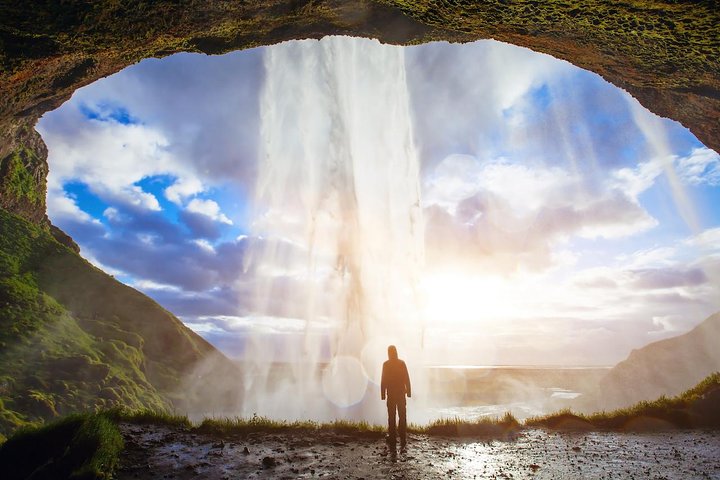
Iceland South Coast Full Day Small-Group Tour
★ 4.8 · 6,610 Viator reviews · Your Day Tours
On the small-group day the driver-guide has checked the light rating and the swell before the minibus parks, sets the line on the sand, and shortens the stop if the sea turns angry.
- About 10 hours
- Max 19
- Free cancellation up to 24 hours before
Check Live Availability & Prices on Viator →
Affiliate link: if you book through it we may earn a commission at no extra cost to you. How this works.
Not sure which option fits? Answer 3 quick questions
General guidance, no answers needed: the featured small-group day fits most first visits to the South Coast. Pick a month and your priorities for a tailored pick, and confirm dates and restrictions on the listing.
Compare the other options (2)
Each is a separate Viator or Expedia booking, not part of the featured day tour.
Sólheimajökull Small-Group Glacier Hike — Crampons, helmet and a certified guide on the lower tongue of the glacier the day tour only views. ★ 4.8 · 565 Viator reviews · 3-4 hours
Katla Ice Cave Under the Volcano, from Vík — Super-jeep from Vík up under Mýrdalsjökull into the ice cave beneath the Katla volcano. ★ 4.7 · 1,193 Viator reviews · From Vík
If you want that judgment call made for you, check availability for your date and read the pickup details while you are on the listing.
Pick your date
Scheduled departure dates from the operator's Viator calendar. Availability for your date and the final price are confirmed on the listing.
Check Live Availability & Prices →The departure calendar could not load just now. Check dates and prices directly on the listing:
Check Dates & Prices on Viator →